
Five rugby injuries you shouldn’t ignore – and what to do if surgery is needed
From torn knee ligaments to dislocated shoulders, rugby can take a serious toll on the body. But when an injury requires surgery, lengthy NHS waiting times can make getting back to normal life even more challenging.
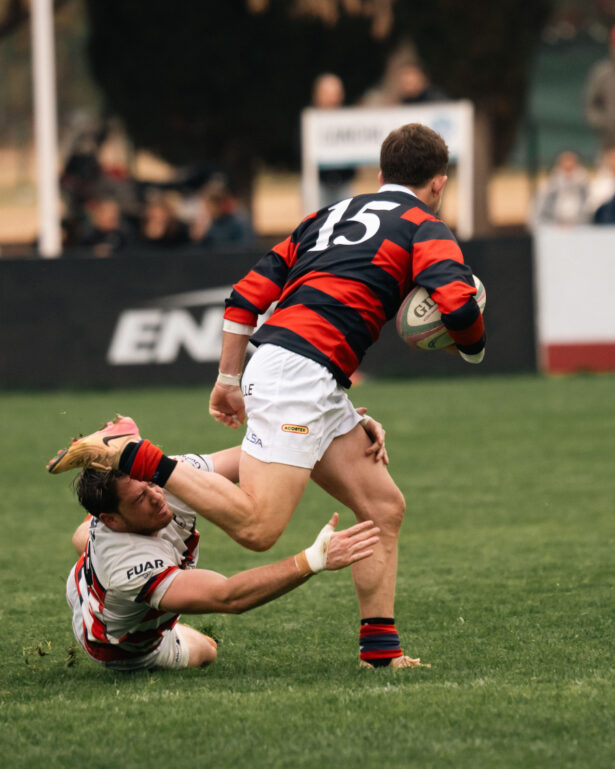
Rugby is a physically demanding sport. Heavy tackles, sudden changes of direction and awkward landings can cause injuries that affect not just time on the pitch, but work and everyday life.
For players facing a lengthy recovery or the prospect of surgery, understanding the treatment options available can make a real difference.
My Medical Gateway (MMG), which helps UK patients access private surgery at accredited hospitals across Europe, highlights five rugby injuries players shouldn’t ignore.
1. ACL injuries
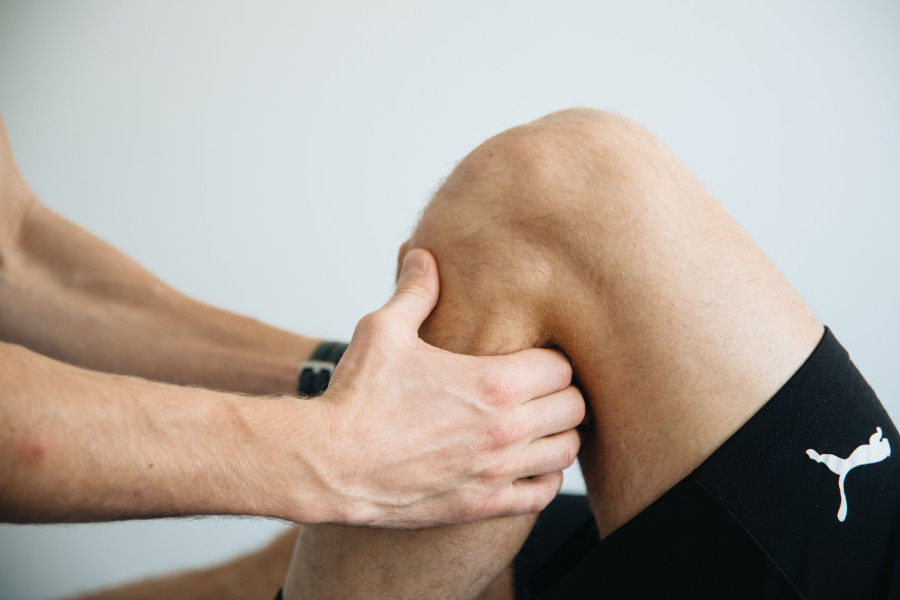
Tears to the anterior cruciate ligament (ACL) can occur during tackles or sudden twisting movements. Warning signs include rapid swelling, a popping sensation or the knee giving way. Some players may require reconstructive surgery.
2. Shoulder dislocations
Heavy collisions can cause the shoulder to dislocate, resulting in severe pain and restricted movement. Suspected dislocations require urgent medical assessment, while repeated dislocations may require surgery.
3. Meniscus tears
Twisting movements can damage the cartilage cushioning the knee. Symptoms include swelling, pain and locking. Some tears improve with physiotherapy, while others need surgery.
4. Ankle ligament injuries
Awkward landings can damage ankle ligaments, causing swelling, bruising and instability. Most sprains heal without surgery, but severe injuries may require specialist treatment.
5. Hamstring tears
Sudden sprinting can cause muscle or tendon tears. Most recover with rehabilitation, although severe tendon injuries sometimes require surgery.
Don’t rush your return to rugby
Returning before an injury has properly healed can increase the risk of further damage. Persistent swelling, joint instability or pain that isn’t improving should be assessed by a healthcare professional.
For players who need surgery, however, getting the right treatment can be just one part of the challenge.
Latest NHS England figures show more than 837,000 people are waiting for trauma and orthopaedic treatment, with fewer than two in three seen within the 18-week standard.
Could private surgery in Europe offer another option?
For rugby players facing a lengthy wait for an operation, private treatment abroad may provide an alternative worth considering.
My Medical Gateway connects UK patients with accredited private hospitals across Europe, offering access to consultant-led surgery and fixed-price treatment packages.
For those whose injuries are affecting their ability to work, exercise or enjoy everyday life, having greater choice over where and when to receive treatment can be particularly valuable.
Sara Gezdari, spokesperson at My Medical Gateway, said:
“An injury can be incredibly frustrating for anyone who enjoys playing rugby, particularly when it affects their ability to work or enjoy everyday life.
“Where surgery is recommended, patients should understand all the treatment options available to them. Many people simply don’t realise that private surgery in Europe could be an alternative to waiting for treatment in the UK.
“At My Medical Gateway, we want to make it easier for patients to explore those options, with access to accredited European hospitals, experienced consultants and clear, fixed-price treatment packages.
“Ultimately, it’s about helping people access the treatment they need so they can get back to living their lives and doing the things they love, whether that’s playing rugby, keeping active or simply enjoying everyday life without pain.”
Find out more
If you’re facing orthopaedic surgery and want to explore private treatment options in Europe, visit www.mymedicalgateway.com to find out how My Medical Gateway could help.